Physical Address
304 North Cardinal St.
Dorchester Center, MA 02124
Physical Address
304 North Cardinal St.
Dorchester Center, MA 02124


In a world where cyber threats lurk around every digital corner, security in computing isn’t just a luxury; it’s a necessity. Picture your computer as a fortress. Without the right defenses, it’s like leaving the drawbridge down and inviting hackers to a party. Spoiler alert: they’re not bringing snacks.
Security in computing encompasses measures and protocols designed to protect data and systems from unauthorized access and damage. Cyber threats continually evolve, necessitating robust defenses that adapt promptly. Every organization must prioritize these security protocols to create a safe digital environment.
Threats manifest in various forms, including malware, phishing, and denial-of-service attacks. These threats compromise sensitive information and disrupt services, leading to significant financial loss and reputational damage. Regular updates and patches shield systems from vulnerabilities.
Encryption plays a vital role in safeguarding data. By converting information into an unreadable format, encryption ensures only authorized users can access it. This practice has become imperative for protecting personal and financial data shared over the internet.
User awareness significantly contributes to security. Training employees about recognizing potential threats and practicing safe browsing habits is crucial. Guarding against social engineering attacks strengthens overall cybersecurity.
Firewalls act as barriers between trusted networks and untrusted ones. These systems monitor and control incoming and outgoing traffic, reducing the risk of unauthorized access. Implementing firewalls in combination with other security tools creates a layered defense.
In addition to technology, policies outline acceptable usage and responsibilities within an organization. Establishing clear guidelines helps ensure that all employees understand their roles in maintaining a secure environment. Regular audits and assessments identify weaknesses and facilitate continuous improvement.
Finally, incident response plans prepare organizations for potential breaches. These plans outline steps for identifying, responding to, and recovering from a security incident. With rapid response strategies, organizations can mitigate damage and restore functionality swiftly.
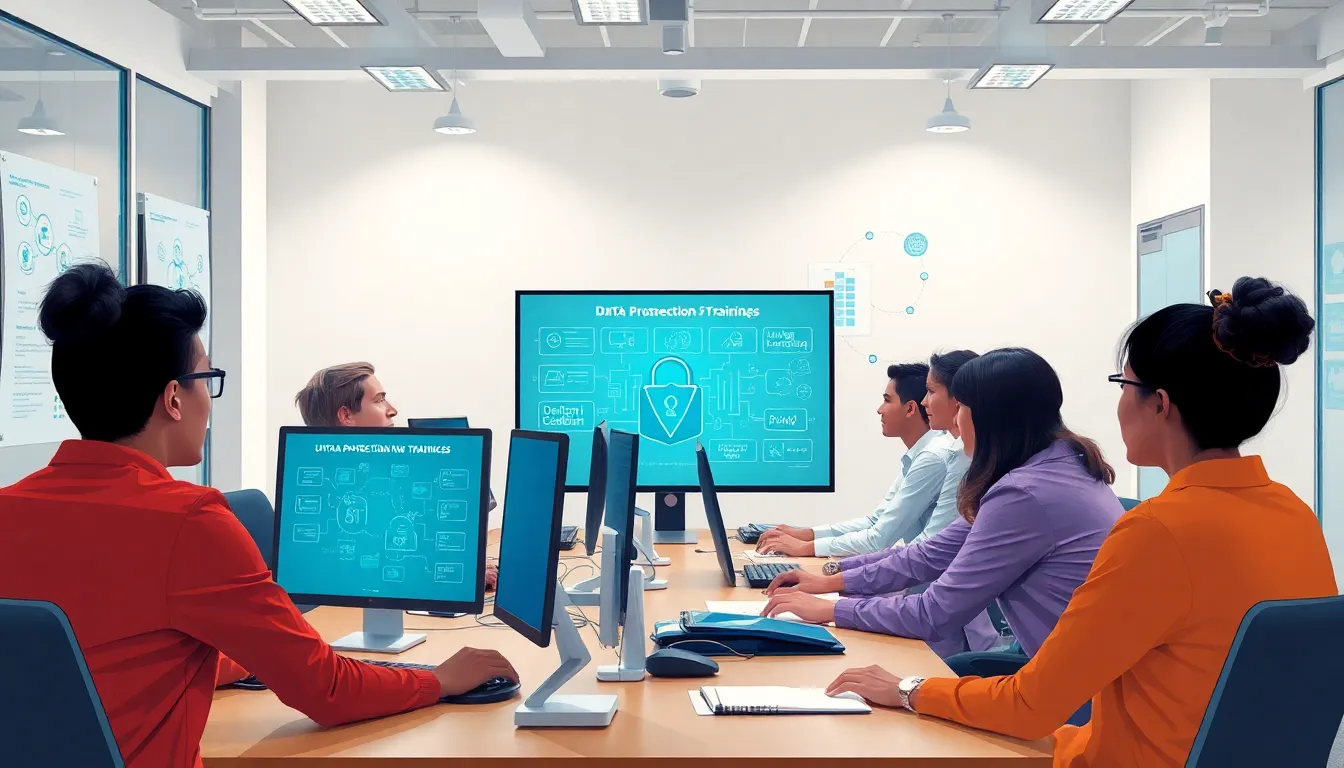
Cybersecurity plays a crucial role in safeguarding digital environments. The protection of specific data not only prevents unauthorized access but also ensures the integrity of information systems.
Protecting sensitive data remains a top priority for organizations today. Intrusions can lead to data breaches, compromising personal and financial information. Implementing strong encryption practices helps to secure this data, making it inaccessible to unauthorized users. Regular software updates address vulnerabilities, reinforcing defenses against potential threats. Moreover, conducting routine risk assessments identifies weaknesses, enabling timely intervention. Companies must create a culture of security awareness. Training employees in best practices minimizes human errors that could lead to breaches. Each measure taken reinforces the organization’s commitment to data protection.
Ensuring user privacy is essential in an age of pervasive data sharing. Organizations must establish clear privacy policies that outline how personal information is handled. Compliance with regulations, such as the General Data Protection Regulation, requires transparency in data collection practices. It’s important for companies to implement access controls, limiting who can view sensitive information. Consulting users about data usage builds trust and encourages responsible sharing. Users must be educated about their rights and available options for managing personal information. Each step taken reinforces a commitment to privacy, fostering user confidence and loyalty.
Security threats in computing encompass various dangers that can compromise sensitive information and disrupt services. Awareness of these threats is vital for effective protective measures.
Malware refers to malicious software designed to damage or exploit devices. It can manifest as viruses, worms, or Trojans and infiltrate systems through deceptive downloads or infected email attachments. Once inside, malware can steal data, corrupt files, or compromise system functionality. Regular updates and antivirus software help mitigate risks associated with malware, while safe browsing habits reduce exposure to these threats. Users must remain vigilant against suspicious links and attachments to protect their systems effectively.
Phishing attacks target individuals through deceptive emails or messages that appear legitimate. Cybercriminals often impersonate trusted entities to extract sensitive information such as passwords or financial details. Common tactics include urgent requests or enticing offers that prompt victims to click on harmful links. Implementing multi-factor authentication adds an extra layer of security against phishing attempts. Organizations should regularly train employees to recognize these scams and report suspicious communications to enhance overall security.
Ransomware is a specific type of malware that encrypts a victim’s files, rendering them inaccessible. Attackers demand payment in exchange for the decryption key, often causing significant disruption to organizations. Successful ransomware attacks often exploit unpatched vulnerabilities or rely on social engineering tactics. Regular data backups and an incident response plan play critical roles in recovering from such attacks. Employees must be educated about recognizing ransomware signs and adhering to best practices in data management to minimize risks.
Effective security measures play a vital role in protecting digital environments from various cyber threats. Organizations must implement a comprehensive strategy to enhance their security posture.
Protocols such as SSL/TLS enforce encrypted connections between clients and servers. Firewalls serve as a crucial line of defense by monitoring incoming and outgoing traffic. Virtual Private Networks (VPNs) establish secure connections for remote users, protecting sensitive data from interception. Intrusion Detection Systems (IDS) monitor network traffic for suspicious activity, enabling quick responses to potential breaches. Regular updates to network devices and security software ensure that systems remain protected against emerging threats.
Employee training fosters a culture of security awareness. Training programs should cover recognizing phishing attempts and practicing safe browsing habits. Workshops on data privacy regulations empower users to understand their responsibilities. Clear communication of security policies ensures that every team member knows their role in safeguarding sensitive information. Regular assessments of employee knowledge can identify areas needing improvement, enhancing overall security efforts. Each measure reinforces a proactive approach to minimizing risks linked to human errors.
Emerging technologies shape the future of security in computing. Artificial intelligence plays a pivotal role in identifying and mitigating threats. Organizations increasingly adopt machine learning algorithms to analyze vast data sets, detecting patterns and anomalies that indicate potential breaches.
Cloud security focuses on protecting data stored in cloud environments. As organizations migrate services to the cloud, enhancing security measures becomes essential. Multi-factor authentication provides an extra layer of protection, ensuring that only authorized users gain access.
Blockchain technology offers a decentralized solution to enhance data integrity. By creating secure and tamper-proof records, organizations can improve transparency and trust. Utilizing blockchain can significantly reduce fraudulent activities and secure transactions.
The rise of IoT devices introduces new security challenges. With billions of connected devices, the risk of attacks increases. Implementing secure protocols and maintaining regular firmware updates helps protect against vulnerabilities.
Zero trust architecture is becoming a standard security model. Trusting no one, both inside and outside the organization, minimizes risks associated with user access. Continuous verification of users and devices bolsters security, reducing the potential for data breaches.
Regulatory compliance remains a driving force behind security initiatives. Organizations prioritize adhering to laws such as the General Data Protection Regulation and the California Consumer Privacy Act. By staying compliant, they protect user privacy and avoid significant penalties.
Moreover, increasing use of quantum computing demands new encryption methods. Traditional encryption algorithms may become obsolete against quantum threats. Developing quantum-resistant cryptographic solutions is vital for safeguarding sensitive information.
Investment in security training continues to be critical. Comprehensive programs ensure employees are well-informed about emerging threats and best practices. Regularly updating training materials reinforces a proactive security culture within organizations.
Prioritizing security in computing is no longer optional; it’s essential for protecting sensitive data and maintaining trust. As cyber threats continue to evolve organizations must adapt by implementing robust security measures and fostering a culture of awareness among employees. Regular updates and comprehensive training programs play a crucial role in minimizing risks associated with human error.
Emerging technologies offer new tools and strategies to enhance security but they also introduce unique challenges that demand attention. By embracing innovative solutions and adhering to regulatory standards organizations can create a resilient digital environment. The commitment to cybersecurity not only safeguards information but also reinforces user confidence in an increasingly interconnected world.